
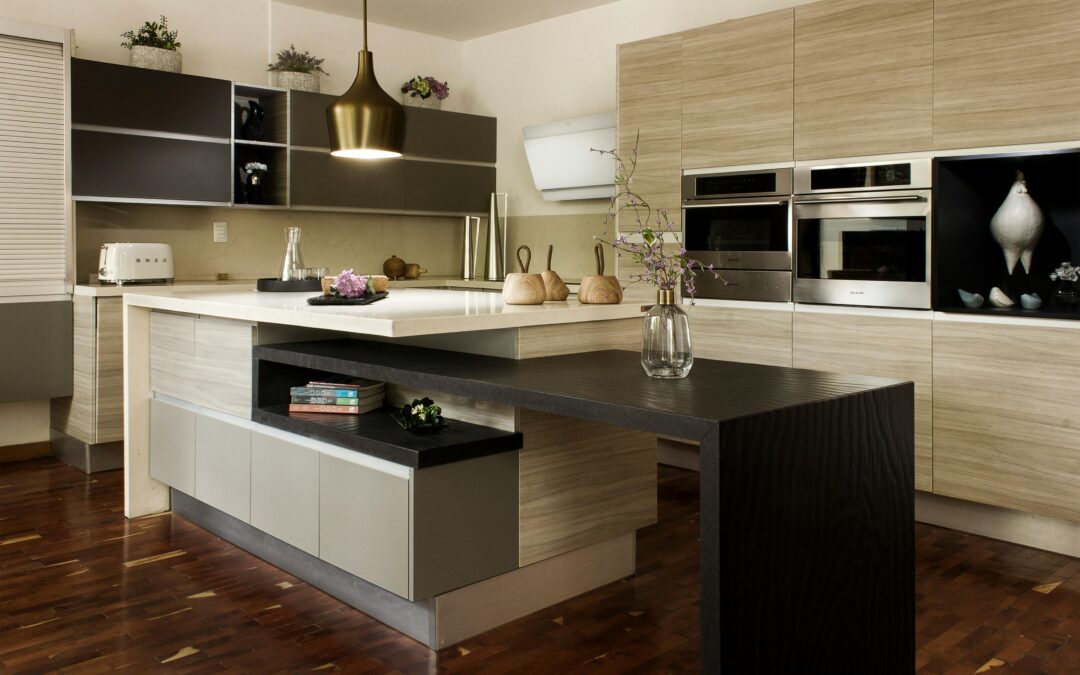
Kitchens in 2026 are moving toward designs that feel deeply connected to everyday life. Style is becoming more personal and functional, shaped by how families cook, gather, and spend time together. Rather than focusing on bold statements that quickly fade, trends now emphasize warmth, comfort, and a sense of continuity. Materials, layouts, and finishes are chosen not only for appearance but also for how they work over time. Maryland homeowners are in a unique position to benefit from these changes. Local architecture, regional climate, and busy lifestyles call for kitchens that combine beauty, durability, and sustainability. These evolving trends are making it easier to create spaces that reflect individual taste while staying practical for daily use.
Warmer, More Natural Finishes
Color and texture are taking a softer turn in 2026. The bright whites and cool grays that once dominated kitchen design are giving way to warmer neutrals, gentle earth tones, and wood accents that bring a sense of calm. Soft creams, muted greens, and natural stains on cabinetry create a more welcoming backdrop for everyday life. Wood grains and organic textures are no longer reserved for rustic styles, they’re finding a place in modern and transitional kitchens as well. These finishes work beautifully with Maryland homes, where natural light and seasonal changes can shift a room’s mood. They also age gracefully, helping a kitchen stay appealing as trends come and go. By choosing materials and colors with warmth, homeowners create spaces that invite gathering, cooking, and conversation while still feeling refined and timeless.
High-Performance Surfaces and Materials
Surfaces are doing more than ever in today’s kitchens. Materials like quartz, quartzite, and other engineered options are becoming top choices thanks to their durability and low maintenance. These surfaces handle heat, resist staining, and maintain their finish with less effort, which is especially important in busy households. Alongside performance, there’s also a growing interest in statement pieces. Bold veining patterns and rich textures give countertops a more expressive look, while slab backsplashes continue that surface up the wall for a clean, uninterrupted finish. In many Maryland homes, these extended surfaces help tie together open layouts or connect adjacent spaces. Full-height applications, waterfall edges, and wraparound counters bring a sense of flow and cohesion that feels both modern and grounded. The focus is shifting toward materials that hold up to daily life while offering strong visual appeal across every surface.
Smart Integration and Hidden Appliances
Appliances and technology are becoming more discreet in kitchen design. Many homeowners are choosing panel-ready options that match the cabinetry, which keeps the space visually consistent and less crowded. Refrigerators, dishwashers, and range hoods are often built into the layout in ways that let them function well without drawing attention.
Storage is designed with the same mindset. Custom drawers, pull-outs, and concealed organizers help reduce clutter and make the most of available space. Technology is woven in gradually, supporting how the kitchen works without feeling overly complicated. Voice-activated controls, touchless faucets, and lighting that adjusts throughout the day can all be included from the beginning of the project. These elements bring ease and flow to daily routines, especially in busy households where the kitchen stays active from morning to night. Integrated features make the space more efficient without adding visual noise.
Lighting That Shapes Mood and Function
Lighting has become one of the most thoughtful elements in kitchen design. Instead of relying on a single fixture, many homeowners are choosing a layered approach. Natural light is still important, but it now works alongside more focused options that support everyday tasks. Under-cabinet lighting helps with prep work. Interior cabinet lights bring visibility to tucked-away spaces. Recessed ceiling lights offer coverage without distraction.
Pendant lights are being used to add warmth and shape, especially over islands or dining areas. These fixtures create subtle focal points while supporting the overall rhythm of the room. As kitchens take on more roles throughout the day, lighting plays a bigger part in how the space feels and functions. Maryland homes that blend open-concept layouts with traditional gathering spaces benefit from this kind of variety. When each light source is placed with care, the kitchen works better from morning to night, and feels more comfortable along the way.
Flexible, Multi-Purpose Layouts
Kitchens are being designed to keep up with the way people actually use them. They’re still first and foremost a cooking space, but now they’re also a place to gather, work, and stay connected throughout the day. Layouts are adjusting to support this overlap. More homeowners are asking for spaces that can shift depending on the moment, like islands that double as homework stations or casual seating areas that also serve as prep space.
Expanded pantries are becoming more common too. Some function as tucked-away storage, while others include counters, outlets, or open shelving for coffee setups and extra appliances. These additions help keep the main kitchen feeling more open without losing functionality. In Maryland homes where space needs to work hard without feeling cramped, flexible layouts create room for movement and flow. The kitchen becomes a place that supports both structure and spontaneity, without needing to be reworked every time something changes.
Sustainable Choices and Longevity
Durability is shaping more kitchen decisions in 2026. Homeowners are choosing materials that hold up to years of daily use without wearing down or needing constant replacement. Recycled surfaces, sealed wood finishes, and stone alternatives that resist scratches are becoming more common. Water-saving fixtures and energy-efficient appliances are also gaining popularity, not just for utility savings, but because they support a more comfortable and consistent home environment.
These choices make sense for Maryland homes, where weather changes can put added stress on materials. By selecting systems and surfaces that are built for the long term, homeowners are able to create kitchens that feel dependable and remain in good shape through changing seasons and routines.
Applying Trends to Your Maryland Home
Kitchen trends work best when they reflect how a home functions. Each space has its own rhythm, and design choices should fit that rhythm rather than interrupt it. What works well in one home may not feel right in another, depending on layout, light, and structure.
That’s where local experience helps. At Remodeling Wizards of Maryland, we walk through the space with each homeowner and help translate trend-forward ideas into real options. Some projects call for subtle updates. Others benefit from a full reworking of the layout. Either way, the design is shaped by how the kitchen is used and what the home can support. When the choices fit the space, the kitchen naturally becomes easier to use and more pleasant to spend time in.